
There is nothing “basic” about stopping IVF and returning to the so-called natural route. There is no guidebook for what comes next. The protocols and procedures that once dictated every step suddenly disappear. The appointments, alarms, and instructions are gone—but the emotions and unknowns remain. There is no protocol for going back to the basics.
When we decided to stop IVF and try naturally, I wasn’t prepared for how difficult this next part of our journey would be.
During IVF, everything had structure. There were calendars to follow, medications to take at exact times, appointments that filled the weeks. There was always something happening. Even when things were hard, there was a sense of movement—like we were actively doing something to grow our family.
When IVF ended, that structure disappeared almost overnight.
There were no more early morning monitoring appointments. No more medication schedules. No more calls from the clinic explaining the next step. The silence after all that noise felt strange. After months of constant activity and decision-making, the journey suddenly became quiet again.
I thought the quiet would feel like relief.
Instead, it felt like uncertainty.
I remember the first period I got after we started trying naturally again. I wasn’t prepared for the wave of emotions that hit me—and continue to hit me every month after that. I know the chances of me getting pregnant are slim, yet I still cling to that small, fragile hope that maybe this month could be different.
It’s back to ovulation strips, tracking cycles, and the dreaded waiting.
Each month carries the quiet belief that this will finally be the one with a positive pregnancy test.
And then the period comes.
Every time, it feels like a quiet, recurring loss.
Infertility has a way of changing how you experience time. Months don’t just pass—they are measured in cycles, ovulation windows, and two-week waits. Every month begins with cautious hope and ends with the same familiar disappointment.
Still, we keep trying.
Because after everything, defeat already feels familiar—so why not keep going?
There’s also a strange mental math that infertility creates. You start calculating timelines in ways you never did before. You think about ages, about how many cycles might be left before another birthday passes.
It’s exhausting carrying those numbers around in your head all the time.
And while we try, pregnancy announcements begin to appear everywhere.
On social media. In group texts. In casual conversations I wasn’t prepared for.
Friends are growing their families while I am still counting days, tracking cycles, and waiting.
There is an immediate ache that follows the news—one that arrives before I can stop it. It’s a strange, conflicting feeling: being genuinely happy for someone while simultaneously grieving for yourself.
You want to celebrate with them. You want to share in their joy. But there’s also a quiet sadness sitting beside that happiness, reminding you of the family you are still hoping for.
There is no manual for how to navigate this space. No instructions for how to hold joy and sadness at the same time.
You simply learn to carry both, whether you’re ready or not.
And beyond real life, there is social media.
A constant stream of curated joy—pregnancy announcements, newborn photos, growing families. Instagram doesn’t show the waiting, the tracking, or the quiet losses that happen in between.
It’s a bizarre thing being on social media and posting life while making it appear as normal as possible.
I still take my daughter to do fun activities. We still have family gatherings, playdates, birthday parties. Life goes on.
From the outside, everything looks normal.
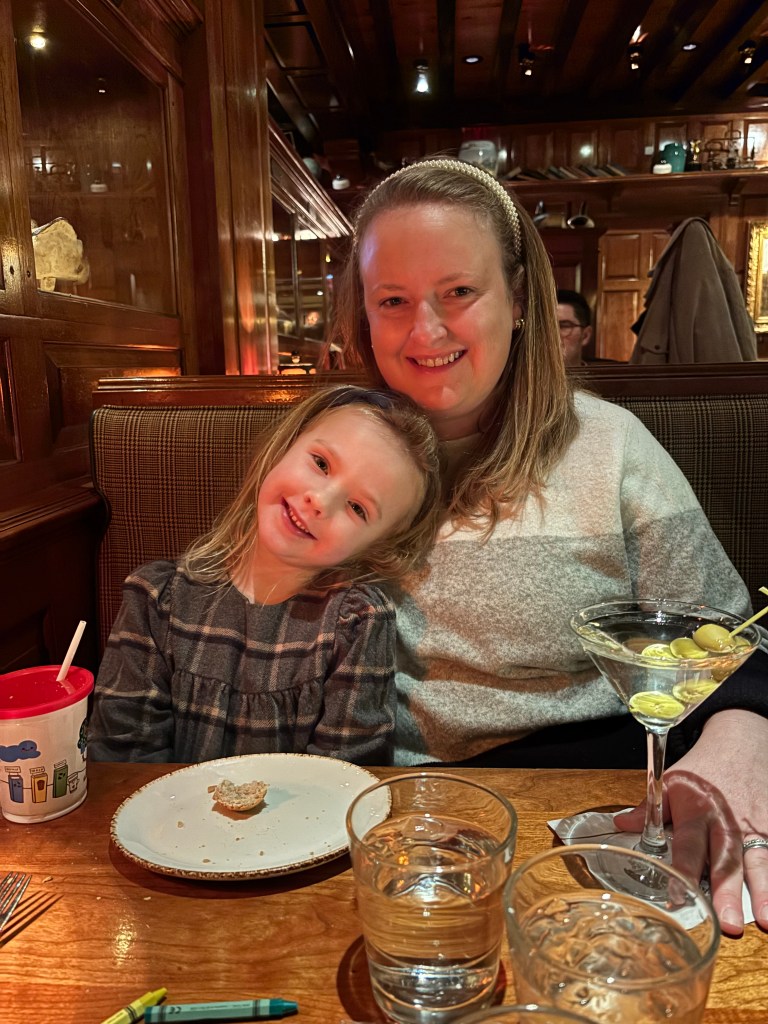
But behind every “normal” post is the sadness that people don’t see.
This is what social media often is—showing the good parts of life and hiding the painful ones. The highlight reel instead of the full story.
That said, I do appreciate the people who are willing to share the real, raw parts of life online. The struggles with illness, infertility, grief, and the complicated realities that so many people quietly carry. It takes courage to show those parts of your life publicly.
I admire that honesty.
At the same time, I understand why most people don’t share those pieces. Some things feel too personal, too heavy, or too complicated to put into a small square on a screen.
So instead, life continues as usual—at least on the surface.
Trying naturally after infertility feels strangely invisible. There are no injections, no clinic visits, no outward signs that anything is different. From the outside, it probably looks like we simply decided to move on.
But internally, the same cycle continues.
Hope slowly builds throughout the month. You start noticing small things that make you wonder if maybe this time is different. Maybe this month will surprise you.
And then the cycle ends, and everything starts over again.
Some days I try to convince myself not to hope. To stop analyzing every symptom or wondering if this month feels different.
But hope has a way of showing up anyway.
It sneaks in quietly every cycle, whispering the same small possibility: maybe this time.
And maybe hope is the only thing that keeps us moving forward.
Infertility changes the way you see the world. It makes you more aware of the invisible struggles people carry every day. It teaches you a kind of patience and resilience that you never asked to learn.
So for now, we go back to the basics.
Not the simple version people imagine, but the complicated one that lives somewhere between hope and grief.
We keep trying. We keep living our lives. We keep showing up for our family and the life we already have.
And we keep carrying both emotions at the same time.
Because sometimes moving forward doesn’t look like progress.
Sometimes it just looks like continuing.
 Momxiety
Leave a comment